Bone Conduction Implants
Open 7 Days
Mixed Billing
After Hours Clinic
Multilingual
Experienced GPs
Bone Conduction Hearing Solutions in Narangba
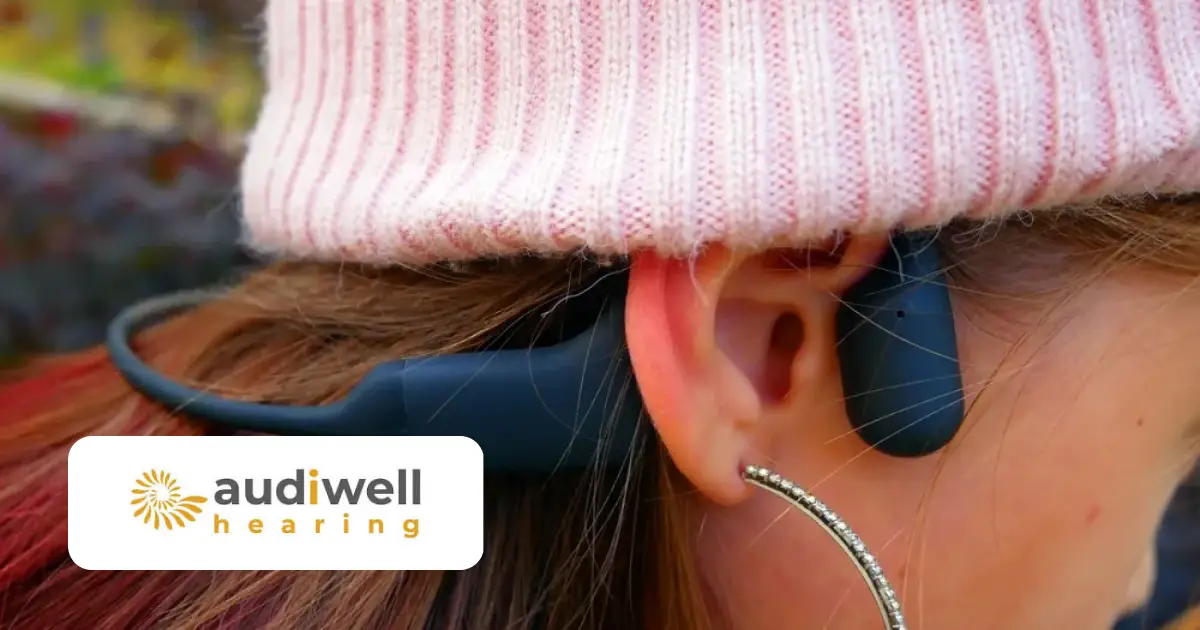
For some types of hearing loss, modern hearing aids may not be the most suitable way to access sound through the middle ear and outer ear canal. Instead, bone conduction technology works differently by sending sound vibrations through the bones of the skull directly to the inner ear which bypasses the outer and middle ear altogether.
At Narangba Station Health Centre, we provide assessment, trials and ongoing support for bone conduction hearing solutions in partnership with Audiwell Hearing. Depending on your hearing, ear health and individual needs, both non-surgical and implantable bone conduction hearing may be considered. If you have been struggling with traditional hearing aids or would like to explore all hearing solutions, book a hearing assessment on (07) 3521 5523 or directly online.
A comprehensive assessment can help determine whether bone conduction technology may be suitable and, where appropriate, allow you to experience the technology before considering an implant.
Is this right for you?
If conventional hearing aids have not been suitable or you have ongoing problems affecting the ear canal or middle ear, bone conduction hearing technology may be a positive alternative.
Your audiologist will assess your hearing, explain your options and, where appropriate, show you the technology before you consider an implant.
Call (07) 3521 5523 to book an assessment and find out whether bone conduction hearing is suitable.
How does bone conduction hearing work?
While traditional hearing aids amplify sound and send it through the ear canal, bone conduction technology takes a different route by using vibration to bypass the outer and middle ear and deliver sound directly to the functioning inner ear. This can provide another way to access sound for people whose hearing loss or ear health makes conventional hearing aids difficult or unsuitable.
Sound Is Captured
An external sound processor picks up speech and other sounds from the environment around you.
Sound Becomes Vibration
The processor converts sound into gentle vibrations that can travel through the bones of the skull.
Sound Bypasses Middle & Outer Ear
Instead of relying on sound travelling through the ear canal and middle ear, bone conduction provides an alternative pathway.
Sound Reaches the Inner Ear
The vibration reaches the cochlea, where sound information can continue through the hearing system to the brain.
Who may benefit from bone conduction hearing?
Bone conduction systems are designed for particular hearing needs and are not suitable for every type of hearing loss. A comprehensive assessment is required to understand your hearing, ear health and whether this technology may be appropriate.
01
You have conductive hearing loss
Bone conduction may be considered when hearing loss is caused by a problem within the outer or middle ear that prevents sound from travelling normally to the inner ear.
02
You have mixed hearing loss
Some people with a combination of conductive and sensorineural hearing loss may benefit from bone conduction technology, depending on their individual hearing levels and medical circumstances.
03
You experience chronic ear problems
Persistent or recurring ear infections and other middle-ear conditions can sometimes make conventional hearing aids difficult to use.
04
You cannot wear a conventional hearing aid
Conditions affecting the ear canal or outer ear may make an air-conduction hearing aid unsuitable for some people.
05
You have an ear canal abnormality
Conditions such as microtia or ear canal atresia can affect the normal pathway of sound and may make bone conduction technology worth considering.
06
You have single-sided hearing loss
Bone conduction may be considered for some people with profound hearing loss in one ear by transmitting sound to the functioning cochlea on the other side. Suitability requires individual assessment.
07
You have been referred for implant assessment
Your audiologist, GP or ENT specialist may recommend further assessment where conventional hearing aids have not provided an appropriate solution.
Bone Conduction Assessment & Treatment Costs
The costs for bone conduction implants vary depending on the assessment required and whether you proceed with a non-surgical or implantable bone conduction solution.
Rebates & Funding
Depending on your circumstances, rebates or funding may be available through Medicare, the Australian Government Hearing Services Program or other funding pathways. Eligibility and coverage vary between individuals.
Please call reception on (07) 3521 5523 to discuss assessment fees, referral requirements or potential funding before booking.
What To Expect
Your first appointment focuses on understanding your hearing, ear health and whether bone conduction technology may be appropriate for you.
Your audiologist will review your hearing and medical history and complete a comprehensive hearing assessment. Where suitable, you may also trial a bone conduction processor on a headband so you can experience how the technology sounds and feels before considering an implant.
If implants may be appropriate, your audiologist will explain your results and discuss the next steps. Surgery is performed by an ENT surgeon, so further medical assessment is required before implantation.
After surgery, ongoing audiology care may include fitting, adjustment and support for your external sound processor.
Holistic hearing support services
At Narangba Station Health Centre, you can access specialised audiology care alongside the convenience of a multidisciplinary health centre. Delivered in partnership with Audiwell Hearing, our bone conduction services include assessment, device trials and ongoing support, with coordinated GP and ENT care where needed.
Here’s why patients choose our Audiology services:
New Patients Welcome
Unbiased Brand Selection
On-Time & Convenient
On-Site Free Parking
Mixed Billing Practice
Specialist Audiologist
Local Pharmacy Next Door
First Class Healthcare
Bone Conduction FAQs
Do I need a GP referral?
A GP referral is not always required for the initial audiology appointment and both new and existing patients can book directly. However, it may be useful or required for particular Medicare rebates, specialist referrals or funding pathways.
Can I try bone conduction before having surgery?
Yes. Where appropriate, our audiologist from Audiwell can allow you to trial a bone conduction processor using a headband during your assessment. This gives you an opportunity to experience how the technology sounds and feels before considering an implant.
Do all bone conduction devices require surgery?
No, not all bone conduction devices require surgery. There are also non-surgical available which may be worn using a headband, softband or adhesive system.
Can bone conduction help with single-sided deafness?
For some people, bone conduction can transmit sound from the poorer-hearing side to the functioning cochlea on the other side. Suitability and funding for this type of device depends on individual circumstances.
Will I receive an implant at my first appointment?
No, your first appointment involves assessment, discussion of your options and, where appropriate, a trial with a non-surgical processor. If surgery is being considered, you will require further assessment with an ENT specialist.
Is funding available for bone conduction hearing solutions?
Funding may be available through Medicare, the Australian Government Hearing Services Program or other schemes depending on your eligibility and treatment pathway. Your audiologist can help explain the options that may apply.
What happens after bone conduction implant surgery?
Once you have recovered from surgery, the external sound processor can be fitted and adjusted by your audiologist. Ongoing appointments may then be recommended for fine-tuning, maintenance and long-term audiological support.
Bone Conduction Implant Assessment in Narangba
If conventional hearing aids have not been suitable because of your type of hearing loss, ear anatomy or ongoing ear problems, bone conduction technology may provide another way to access sound.
Bone conduction assessments and ongoing support are available in partnership with Audiwell Hearing at Narangba Station Health Centre, conveniently located opposite Narangba Train Station with free on-site parking.
-
Shop 3 & 4, 32–36 Main Street, Narangba QLD 4504
Can’t find us? – We are situated across the road from Narangba Train Station next to the Narangba Village shopping complex. Look for signs for Narangba Health Centre and IGA.
Serving patients in Narangba, Burpengary, Dakabin, Deception Bay, Morayfield, North Lakes and North Brisbane surrounds
Easy Online Appointment Booking
Narangba Station health Centre uses the AutoMed platform for online appointment bookings.
Patients can also access bookings via the AMS Connect mobile app.